


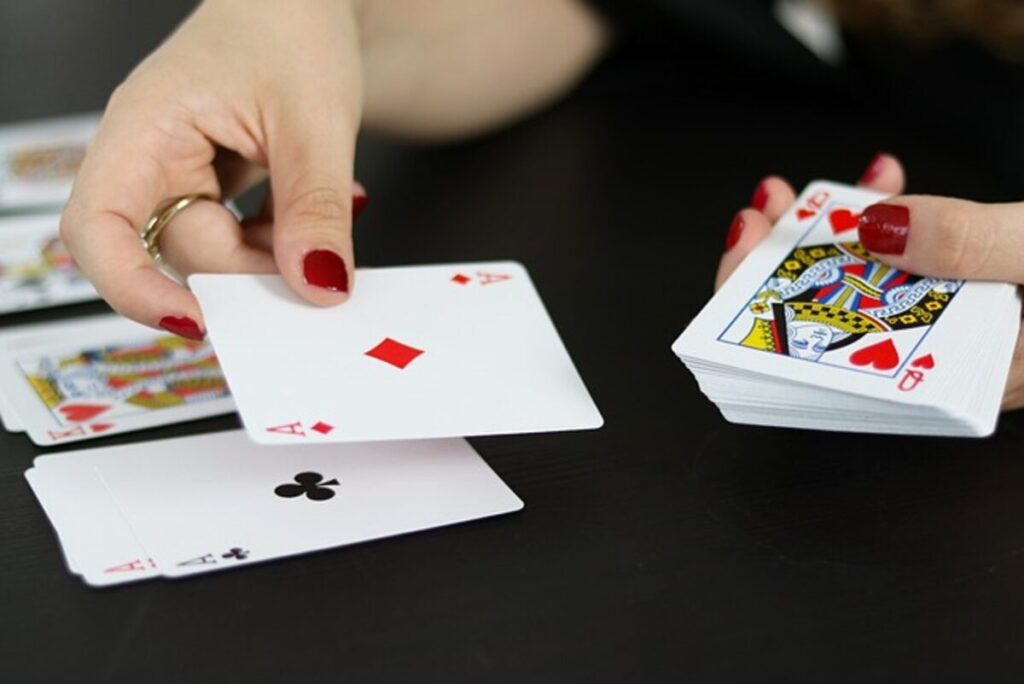
If you’re looking for a card game that’s fun, challenging, and perfect for gatherings, then Hand and Foot is your game! This game, often compared to Canasta, is easy to learn and provides hours of entertainment. Whether you’re a seasoned card player or a newbie, this guide will walk you through the rules and strategies of Hand and Foot, ensuring you have a blast while playing. To find more, check on PREMAN189
Hand and Foot is a North American card game that falls under the Rummy family. It’s typically played with two to six players using several decks of standard playing cards. The game involves forming sets of cards, aiming to score the most points by the end of the game. Sound interesting? Let’s dive into the details!
Hand and Foot has its roots in the game of Canasta, which was popularized in the 1940s. Over time, players began to modify Canasta, leading to the creation of Hand and Foot. This game has gained popularity across North America due to its simple rules and engaging gameplay. Its flexibility allows for multiple variations, making it a favorite at family gatherings and social events.
The dynamic nature of Hand and Foot makes it a thrilling experience. Players must balance strategy with intuition as they decide which cards to meld and which to hold back. The challenge lies in predicting opponents’ moves while optimizing your own hand. This balance of skill and luck ensures that every game is unique and exciting.
Hand and Foot is not just a game of cards; it’s a social experience. It encourages interaction among players, fostering camaraderie and friendly competition. The strategic component of the game requires players to think several steps ahead, planning their moves while considering their opponents’ potential actions. This blend of social interaction and strategic depth is what makes Hand and Foot an enduring favorite.
Setting up Hand and Foot is straightforward, but understanding the nuances can enhance your gameplay experience significantly.
The number of decks you need depends on the number of players. A good rule of thumb is to use one more deck than the number of players. For example, if you have four players, you should use five decks of cards.
When adjusting the number of decks, consider the skill level of the players. More experienced groups might enjoy the challenge of playing with fewer decks, while newcomers might prefer more decks to increase the variety and availability of cards. This flexibility in deck count allows the game to be tailored to the preferences of the group.
Managing multiple decks can be a challenge, but it’s crucial for a smooth game. Ensure that all decks are shuffled together thoroughly to prevent any unfair advantage. Regularly inspect the cards for wear and tear, as damaged cards can disrupt gameplay and lead to disputes.
Maintaining the integrity of the decks is essential to ensure a fair and enjoyable game. Players should agree on the number of decks before starting and adhere to this throughout. Any changes in the number of decks mid-game can lead to confusion and impact the outcome.
Each player is dealt two piles of 11 cards. One pile is called the “Hand,” and the other is the “Foot.” Players should not look at their Foot cards until they’ve played all their Hand cards. The remaining cards form the draw pile.
The division of cards into a Hand and a Foot adds a layer of strategy to the game. Players must carefully manage their Hand, knowing that their Foot could contain crucial cards needed to complete melds. This aspect of the game requires foresight and planning.
To ensure fairness, cards should be dealt one at a time, clockwise around the table. This method reduces the likelihood of bias and ensures that all players have an equal chance of receiving valuable cards. Dealers should also verify that each player has the correct number of cards in both their Hand and Foot.
The draw pile is central to gameplay, providing players with new cards each turn. It’s important to keep the draw pile tidy and accessible to all players. If the draw pile runs out, shuffle the discard pile to form a new draw pile, ensuring continuous gameplay.
The primary goal of Hand and Foot is to make melds with seven cards of the same rank. A meld of seven cards is called a “book.” Players aim to create as many books as possible to score points. The game is usually played over four rounds, and the player with the highest score at the end wins.
Melds are the building blocks of scoring in Hand and Foot. A meld consists of at least three cards of the same rank, with the ultimate goal being to form a book of seven. Books can be clean (all natural cards) or dirty (including wild cards), and the distinction impacts scoring significantly.
Scoring in Hand and Foot is both straightforward and strategic. Each card and book has a specific point value, and players must balance their desire to score high with the need to prevent opponents from doing the same. Understanding the scoring system is key to developing winning strategies.
Winning Hand and Foot requires a mix of skill, strategy, and sometimes a bit of luck. Players must focus on forming books while also keeping an eye on their opponents’ progress. The game is played over multiple rounds, so consistent performance is crucial to emerging victorious.
Understanding the basic rules is essential to enjoying Hand and Foot. These rules provide the foundation for strategic gameplay and ensure a fair and engaging experience for all players.
- Draw Phase: Players draw two cards from the draw pile at the beginning of their turn.
- Meld Phase: Players attempt to form melds using cards from their Hand.
- Discard Phase: At the end of their turn, players must discard one card onto the discard pile.
The draw phase is crucial as it sets the tone for the player’s turn. Drawing two cards provides opportunities to enhance one’s Hand and strategize for future melds. Players should consider both immediate and long-term benefits when drawing cards.
During the meld phase, players must decide which cards to meld and which to hold back. This decision can significantly impact the outcome of the game. Successful players plan their melds carefully, considering both their current Hand and the potential cards in their Foot.
Discarding is not just about getting rid of unwanted cards; it’s a strategic move that can influence the entire game. Players should aim to discard cards that are least useful to them while potentially blocking their opponents from forming melds.
- Melds must consist of at least three cards of the same rank.
- Wild cards (2s and Jokers) can be used in melds but cannot outnumber the natural cards.
- A book is a complete meld of seven cards. Books can be either “clean” (all natural cards) or “dirty” (includes wild cards).
Wild cards are powerful tools in Hand and Foot, allowing players to complete melds more easily. However, they must be used judiciously, as an excess of wild cards can lead to penalties. Understanding when and how to use wild cards is a critical aspect of the game.
The distinction between clean and dirty books affects both scoring and strategy. Clean books offer more points, incentivizing players to prioritize natural cards. Dirty books, while easier to complete, provide fewer points, requiring players to balance risk and reward.
Building melds effectively involves a combination of foresight and adaptability. Players must anticipate which cards will become available while also being prepared to adjust their strategy based on the draw and discard piles. Successful players are those who can pivot their approach as needed.
A player can “go out” when they have played all their Hand and Foot cards, and have completed at least two clean books and two dirty books. When a player goes out, the round ends.
Timing is crucial when deciding to go out. Players must assess whether they have enough points to secure a lead while also considering the potential for their opponents to catch up. Going out too early or too late can significantly impact the final score.
To go out, players must meet specific criteria, including completing the required number of clean and dirty books. This requirement adds a layer of complexity, as players must balance their focus between completing melds and preparing to go out.
When a player goes out, the round ends, and scores are tallied. This moment is pivotal, as it can shift the balance of power in the game. Players should be mindful of their score relative to others and plan their strategy accordingly.
Points are awarded based on the type of cards in the melds:
- Natural Cards (3-7): 5 points each.
- Natural Cards (8-K): 10 points each.
- Aces and 2s: 20 points each.
- Jokers: 50 points each.
Books also have point values:
- Clean Book: 500 points.
- Dirty Book: 300 points.
At the end of the game, players subtract the points remaining in their Foot from their total score.
Each card in Hand and Foot has a specific point value, contributing to the overall score. Players must prioritize high-value cards while also ensuring they can complete melds efficiently. This balance is crucial to maximizing one’s score.
Books are the cornerstone of scoring in Hand and Foot, with clean books offering significantly more points than dirty ones. Players should aim to complete as many clean books as possible, using dirty books strategically to fill gaps in their melds.
Unused cards in the Foot can lead to penalties, detracting from the player’s total score. Effective management of both the Hand and Foot is essential to minimizing these penalties and maximizing overall points. Players should plan their strategy to ensure they can utilize their Foot cards effectively.
Success in Hand and Foot requires a blend of strategic planning and adaptability. Implementing effective strategies can significantly enhance your chances of winning.
Try to plan your melds early on. Keep an eye on which cards are being discarded and adjust your strategy accordingly. Always aim to complete clean books first for higher points.
In the early stages of the game, players should focus on building a strong foundation for their melds. Observing opponents’ discards can provide valuable insights into their strategy and help you make informed decisions.
As the game progresses, players must be prepared to adapt their strategy based on the evolving state of play. Flexibility is key, as rigid strategies can lead to missed opportunities and suboptimal outcomes.
Given their high point value, clean books should be a priority for players. Completing clean books requires careful management of wild cards and natural cards, emphasizing the importance of strategic planning.
Use wild cards strategically. They are powerful but can also be a liability if left in your Foot. Balance them carefully with natural cards to maximize your score.
Wild cards offer versatility, allowing players to complete difficult melds. However, overreliance on wild cards can lead to penalties, making it essential to use them judiciously and in moderation.
Achieving the right balance between wild and natural cards is crucial to forming effective melds. Players should aim to use wild cards to fill in gaps rather than dominate their melds, ensuring compliance with game rules.
Leaving wild cards in the Foot can lead to significant penalties, impacting the player’s overall score. Effective management involves ensuring that wild cards are used strategically and not left unused at the end of the game.
Pay attention to your opponents’ moves. If they seem to be forming a book, try to block them by holding onto key cards they might need.
Keeping track of opponents’ actions can provide valuable insights into their strategy and intentions. By observing which cards they draw and discard, players can anticipate their next moves and adjust their strategy accordingly.
In Hand and Foot, defensive play is as important as offensive strategy. By holding onto key cards that opponents might need, players can disrupt their plans and gain a competitive advantage.
Successful players are those who can anticipate their opponents’ moves and counter them effectively. This requires a keen understanding of the game dynamics and a proactive approach to strategy.
Hand and Foot has several variations, which can make the game even more exciting. Some popular variations include:
In Progressive Hand and Foot, the number of cards dealt in the Hand and Foot increases with each round. This variation adds complexity and challenge, requiring players to adapt their strategies as the game progresses. The increasing number of cards introduces new dynamics, making each round distinct from the last.
In Partnership Play, players form teams, and partners work together to accumulate points. This variation emphasizes teamwork and collaboration, as partners must communicate and strategize to maximize their combined score. Partnership Play adds a social dimension to the game, fostering camaraderie and friendly competition.
Beyond Progressive and Partnership Play, Hand and Foot can be customized with various house rules and regional adaptations. These variations can include changes to the scoring system, the number of decks used, or specific rules regarding wild cards. Exploring different variations can add depth and variety to the game, keeping it fresh and engaging for players.
Hand and Foot is a delightful card game that challenges your strategic thinking while providing endless fun. Whether you’re playing with friends or family, it’s a game that brings people together. With this step-by-step guide, you’re now equipped to play and enjoy Hand and Foot like a pro. So gather your decks, call your friends, and let the games begin!
The true joy of Hand and Foot lies in its blend of strategy, luck, and social interaction. It’s a game that encourages players to think creatively and adaptively, making each session a unique experience. The camaraderie and friendly competition fostered by the game create lasting memories and strengthen bonds among players.
Remember, practice makes perfect. The more you play, the better you’ll get, and the more fun you’ll have. Each game offers opportunities to refine your strategy and learn from your experiences. With time and practice, you’ll develop a deeper understanding of the game and enhance your skills.
Introduce Hand and Foot to your friends and family, and watch as they become captivated by its charm. The game’s accessibility and flexibility make it suitable for players of all ages and skill levels. By sharing the game with others, you contribute to its enduring popularity and create a shared experience that everyone can enjoy.
Happy playing!