


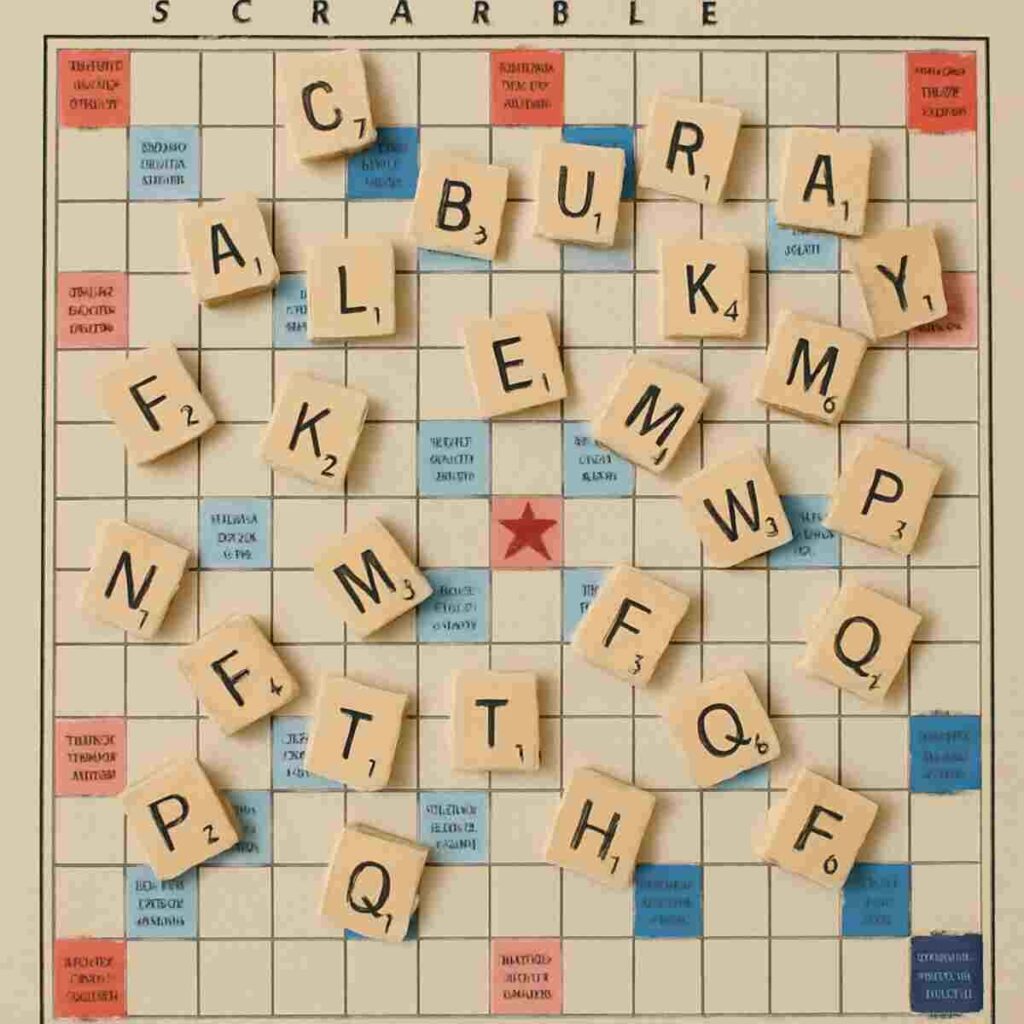
Mastering the “Just Words” game can be both a fun and intellectually stimulating experience. Whether you’re playing the classic word game for leisure or looking to hone your linguistic skills, there’s always something new to learn. This guide will walk you through some effective strategies to enhance your gameplay, ensuring that you have the upper hand in your next match. To learn more, check out Link REX88
Before diving into strategies, it’s crucial to understand the basic mechanics of “Just Words.” Much like its cousin, Scrabble, the goal is to create words on a board using letter tiles. Each letter carries a specific point value, and the objective is to maximize your score by forming high-value words.
The Game Mechanics
The board is a grid filled with opportunities and challenges. Understanding the layout is the first step to developing a solid strategy. Each square on the board can alter the value of your word, with some offering double or triple point multipliers, making strategic placement crucial.
The Scoring System
Each letter tile has a distinct point value, which can vary significantly. Common letters like vowels tend to have lower values, while less common consonants can offer more points. Knowing the value of each letter can guide your word choices and placement on the board, helping you to maximize your score efficiently.
The Importance of Time Management
In “Just Words,” as in many timed games, managing your time effectively is key. The pressure of a ticking clock can influence your decision-making process. Learning to balance speed with strategy is essential, allowing you to make thoughtful moves without running out of time.
Building a Strong Vocabulary
A robust vocabulary is your best asset in “Just Words.” The more words you know, the more options you have to play. This section will help you expand your vocabulary effectively.
Read Broadly and Often
The simplest way to boost your vocabulary is to read. Immerse yourself in different genres—fiction, non-fiction, academic papers, and even marketing content. Each genre offers unique vocabulary and language structures, enriching your word bank. Dedicate time each week to explore new authors and topics, and challenge yourself to read materials outside your comfort zone to discover unfamiliar words.
Use Vocabulary Apps
There are numerous apps designed to help you learn new words daily. Apps like Duolingo, Vocabulary.com, and WordUp can introduce you to words you might not encounter in everyday reading. These apps often use gamified learning techniques, making it enjoyable and rewarding to expand your vocabulary. Consistency is key, so set daily goals and stick to them to see significant improvements over time.
Practice Writing
Writing is an active way to reinforce new vocabulary. Start a journal, write short stories, or blog about topics of interest. The more you use new words in context, the more likely they are to stick. Try incorporating new words into your writing each day, and don’t shy away from using a thesaurus to find synonyms and expand your vocabulary further.
Engage in Word Games
Participating in various word games, including crosswords and word searches, can also boost your vocabulary. These games challenge your brain in different ways, helping you to remember and utilize new words more effectively. Invite friends or join online communities to make it a social activity, enhancing your learning experience.
Join a Book Club
Joining a book club can provide additional motivation and exposure to diverse vocabulary. Discussing books with others allows you to explore different interpretations and understandings of language usage. It also provides a platform to ask questions about unfamiliar words and phrases, fostering a deeper understanding.
Strategic Placement and Word Formation
Knowing words isn’t enough; you need to know how to place them strategically on the board.
Look for Double and Triple Word Scores
The board is your battlefield, and certain squares offer point multipliers. Prioritize placing your words on double or triple word and letter score tiles. This strategy can exponentially increase your points for a single word. Plan your moves to capitalize on these multipliers, and be ready to adapt your strategy if your opponent blocks your intended path.
Build on Existing Words
Don’t just create new words—look for opportunities to extend existing ones. Adding an “S” or changing the tense of a word can yield significant points, especially if it hits a multiplier square. Keep a flexible mindset and consider multiple possibilities for word extensions in each turn. This approach not only increases your score but can also disrupt your opponent’s strategy.
Keep an Eye on Your Opponent
Part of the strategy involves anticipating your opponent’s moves. Observe their patterns and try to block their access to high-value multipliers. At the same time, set yourself up for future plays by positioning your tiles advantageously. Understanding your opponent’s strengths and weaknesses can inform your decisions and give you a strategic advantage.
Master the Art of Bluffing
Bluffing can be a useful tactic in “Just Words,” especially if you suspect your opponent is unsure of a word’s validity. This involves playing a questionable word with confidence, potentially leading your opponent to waste a turn challenging it. Use this technique sparingly and wisely to maintain the element of surprise.
Develop a Flexible Strategy
Flexibility is crucial in adapting to the ever-changing board. Have multiple strategies in mind and be ready to switch them based on the situation. Whether you’re focusing on defense, offense, or a mix of both, remaining adaptable will keep you competitive throughout the game.
Balancing Risk and Reward
Playing “Just Words” is as much about strategy as it is about vocabulary.
Play Defensively
Sometimes the best offense is a good defense. If you can’t play a high-scoring word, focus on limiting your opponent’s opportunities. This might mean playing a smaller word to block a triple-word score or conserving high-value tiles for a better opportunity. Defensive play requires careful foresight, as it can prevent your opponent from gaining a significant lead.
Take Calculated Risks
While playing defensively is important, don’t shy away from taking risks when the reward is worth it. If you see a chance to play a long word that could potentially open up opportunities for your opponent, weigh the potential points against the risk. Consider the possible outcomes and have contingency plans in place should your risk not pay off.
Monitor Your Tile Inventory
Keeping track of your tiles is essential in balancing risk and reward. Aim to maintain a diverse set of tiles, avoiding an excess of vowels or consonants. This balance ensures you have flexible options for future plays and reduces the likelihood of getting stuck with unplayable tiles.
Know When to Pass or Exchange Tiles
Sometimes, the best move is to pass your turn or exchange tiles to improve your hand. If your current tiles limit your options, sacrificing a turn can lead to a stronger position in subsequent rounds. Evaluate your hand regularly and don’t hesitate to make these strategic decisions when necessary.
Assess Opponent’s Strengths and Weaknesses
Understanding your opponent’s playing style can help you balance risk and reward effectively. Notice if they tend to play defensively or aggressively and adjust your strategy accordingly. Exploit their weaknesses by forcing them into challenging positions while minimizing your own risks.
Continuous Improvement
Like any skill, becoming a master at “Just Words” requires practice and reflection.
Review Your Games
After each game, take a moment to review what worked and what didn’t. Did you miss any opportunities for higher scores? Were there words you didn’t know? Use these reflections to improve your future gameplay. Keep a record of your games, noting patterns and areas for growth, and revisit these notes regularly to track your progress.
Learn from Others
Playing against more experienced players can be a great learning opportunity. Observe their strategies and word choices, and don’t hesitate to ask for tips or explanations. Participate in online forums or local game clubs to connect with a community of players who can offer insights and encouragement.
Set Personal Goals
Setting specific, achievable goals can motivate you to improve continuously. Focus on areas such as expanding your vocabulary, enhancing your strategic thinking, or increasing your average score. Regularly reassess and adjust these goals to keep challenging yourself and maintaining your enthusiasm for the game.
Utilize Online Resources
The internet is a treasure trove of resources for “Just Words” enthusiasts. Explore tutorials, strategy guides, and vocabulary lists to supplement your learning. Engaging with online content can provide fresh perspectives and innovative techniques to incorporate into your gameplay.
Embrace a Growth Mindset
Adopting a growth mindset means viewing mistakes and losses as opportunities for learning rather than setbacks. Embrace challenges and persist in the face of difficulties. This attitude fosters resilience and encourages you to keep improving, ultimately leading to mastery of the game.
Final Thoughts
“Just Words” is more than just a game—it’s a fun way to enhance your language skills, develop strategic thinking, and challenge yourself intellectually. Whether you’re looking to improve your writing skills or simply enjoy a good word game, mastering the strategies of “Just Words” can offer both enjoyment and a sense of accomplishment. So, grab your tiles, challenge a friend, and get ready to play!
Remember, the key to success lies in building a strong vocabulary, strategically placing your words, and continuously learning and adapting your strategies. With practice and patience, you’ll soon find yourself dominating the board and enjoying every moment of the game. Happy playing!