


What You’ll Need
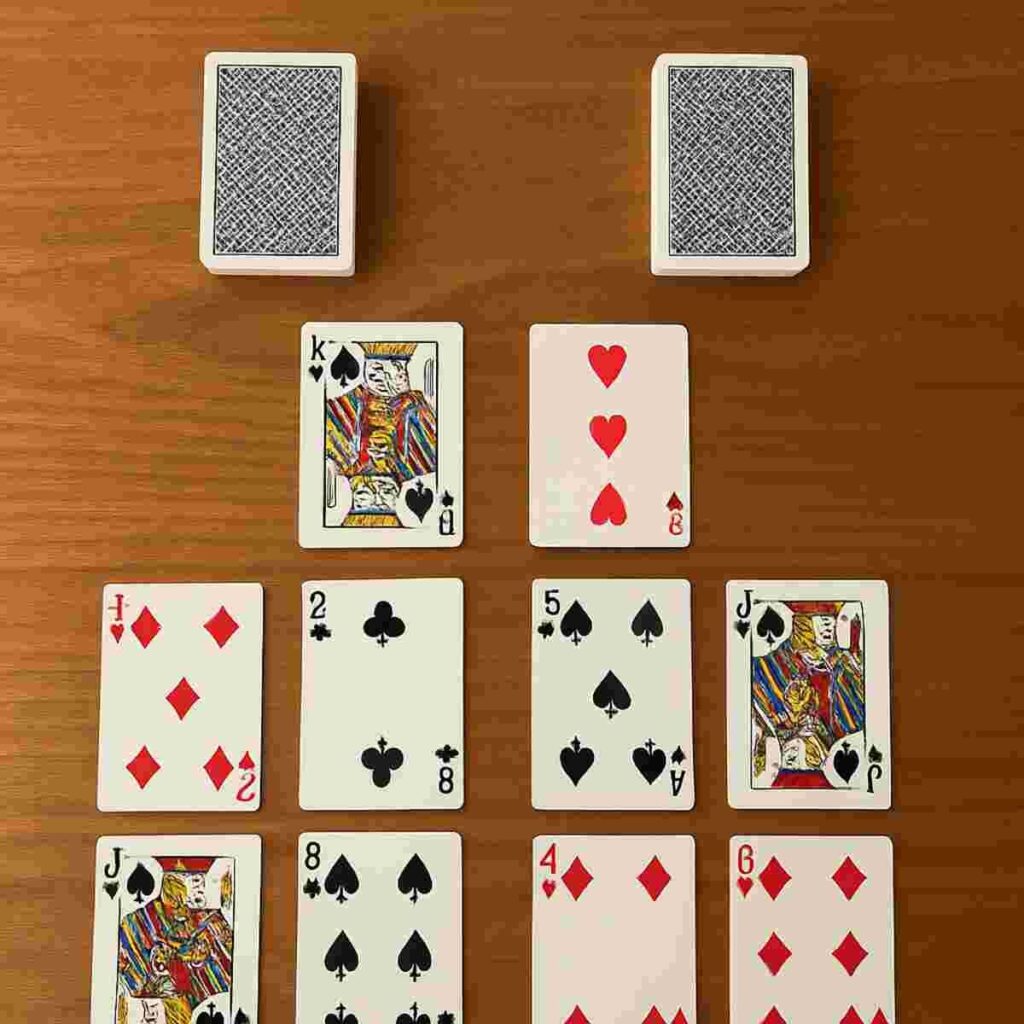
To play Speed, you’ll need a standard deck of 52 playing cards. If you’re playing with two decks, that’s even better! Each player will get their own deck of cards, and you’ll need a flat surface to lay down your cards. That’s it! You’re all set to start playing Speed. To find more, check on Login MARLIN128
Choosing the Right Deck
While any standard deck of cards will do, consider the quality and feel of the cards. Cards that are too slippery may slide around on the table, making it harder to play. Conversely, cards that are too sticky might slow down the game. Look for a deck that strikes a balance between these factors for optimal gameplay.
Setting the Atmosphere
Creating the right atmosphere can enhance your Speed experience. Consider playing some upbeat music in the background to set the tempo. Ensure the lighting is adequate so you can quickly identify the cards. A well-lit and lively environment can make the game more enjoyable and immersive.
Gathering the Players
Speed is ideally a two-player game, but variations allow for more participants. Ensure everyone understands the basic rules before diving in. This will help maintain the pace and prevent confusion during the game. It’s also a good idea to agree on any house rules beforehand to avoid disputes.
Objective of the Game
The goal of Speed is simple: be the first player to get rid of all your cards. To do that, you’ll need to lay down cards in sequential order as fast as you can. It’s about being quick on your feet and even quicker with your hands!
Understanding Sequential Play
In Speed, sequential play means laying down cards in a consecutive order. This can be ascending or descending. For instance, if the card on the play pile is a 7, you can play either a 6 or an 8. Mastering this aspect of the game requires quick thinking and rapid decision-making.
The Essence of Speed
Speed is not just about physical quickness but also mental agility. Players need to anticipate their opponent’s moves and adapt their strategies on the fly. This dual focus on speed and strategy is what makes the game thrilling and engaging.
Why Speed is Unique
Unlike many card games that require complex strategies and planning, Speed prioritizes rapid execution. Its simplicity and fast pace make it accessible to players of all ages and skill levels. This universal appeal has contributed to its popularity around the world.
Setting Up the Game
Initial Card Layout
- Shuffle the Deck: Start by shuffling your deck thoroughly. Once that’s done, each player gets five face-down piles of cards. These are your personal draw piles. Importance of Shuffling: Proper shuffling ensures that the game is fair and unpredictable. It prevents players from memorizing the order of cards, maintaining the element of surprise .Techniques for Shuffling: There are several shuffling techniques, such as the riffle shuffle, overhand shuffle, and Hindu shuffle. Experiment with different methods to find the one that works best for you.
- Creating the Play Piles: In the center of the playing area, place two face-down cards side by side. These will be the play piles where the action happens.
- Positioning the Play Piles: Ensure the play piles are easily accessible to both players. This facilitates quick card placement and keeps the game moving smoothly.
- Deciding the Starting Cards: Some players prefer to decide the starting cards by flipping random cards from the deck. This adds an element of unpredictability right from the start.
- Deal the Remaining Cards: Each player will have a hand of five cards to start with. You can only hold five cards in your hand at a time, so make sure to replenish your hand from your draw piles as you play.
- Managing Your Hand: Efficient hand management is crucial in Speed. Keep your cards organized to quickly identify playable cards. This will give you a competitive edge.
- Draw Pile Strategy: Strategically using your draw pile can impact the game’s outcome. Consider which cards to draw first based on the current play piles.
- Ready, Set, Go: Once everything’s set, it’s time to start the game!
- Starting the Game: Both players must agree on the starting signal, such as “Ready, set, go!” to ensure fairness. This prevents any player from gaining an unfair advantage at the start.
- Mindset for the Game: Enter the game with a focused yet relaxed mindset. Being too tense can slow you down, while being too relaxed might make you miss opportunities.
Playing the Game
The Rules of Speed
- Flip the Play Piles: Both players simultaneously flip over the top card of each central pile. These two cards are your starting points.
- Simultaneous Action: The simultaneous flipping ensures no player has an advantage over the other. It sets the pace for the rest of the game.
- Reacting Quickly: Develop the ability to quickly assess the starting cards and plan your first moves. This initial reaction can set the tone for the entire game.
- Lay Down Cards: You can play a card from your hand onto one of the play piles if it’s one rank higher or lower than the card currently on top of the pile. For example, if the top card is a 5, you can play a 4 or a 6.
- Strategizing Card Placement: Deciding which card to play can make or break your game. Consider potential future moves and how your current play affects them.
- Observing Your Opponent: Keep an eye on your opponent’s plays. Understanding their strategy can help you anticipate their moves and plan your responses.
- Drawing New Cards: As you play cards, keep drawing from your personal draw piles to maintain a hand of five cards.
- Efficient Card Drawing: Practice drawing cards quickly and smoothly to maintain the game’s pace. This skill is vital for maintaining momentum.
- Balancing Speed and Strategy: While drawing quickly is important, ensure you don’t sacrifice strategic thinking. Take a moment to assess the game state before drawing.
- No Moves Left?: If neither player can play a card, both players simultaneously flip a new card from their draw piles onto the play piles. This continues until one player runs out of cards.
- Handling Stalemates: Stalemates require players to think on their feet. Adapt your strategy and prepare for new opportunities as the play piles change.
- Maintaining Composure: In tense moments, it’s crucial to stay calm and composed. This helps in making clear-headed decisions when the stakes are high.
Winning the Game
The first player to get rid of all their cards shouts “Speed!” and wins the game. It’s as simple as that!
Celebrating Victory
Winning in Speed is exhilarating, and it’s important to celebrate your victory. Acknowledge your opponent’s effort and sportsmanship, regardless of the outcome.
Learning from Defeat
Losing a game is an opportunity for growth. Reflect on your gameplay and identify areas for improvement. Each game offers valuable lessons that can enhance your skills.
The Thrill of Speed
The rush of winning a Speed game is unmatched. It combines the satisfaction of strategic thinking with the excitement of quick reflexes. This blend of elements is what makes Speed an enduring favorite among card games.
Tips and Strategies
Stay Focused
Speed is all about concentration and quick thinking. Keep an eye on both play piles and your opponent’s moves. The faster you spot an opportunity, the better your chances of winning.
Enhancing Concentration
Practice mindfulness techniques to improve your focus during the game. Deep breathing and visualization can help you stay centered and alert.
Adapting to Opponent’s Moves
Being aware of your opponent’s strategy allows you to adjust your tactics accordingly. Stay flexible and ready to change your approach based on their actions.
Minimizing Distractions
Create a distraction-free environment to maximize your concentration. Turn off notifications and minimize background noise to fully immerse yourself in the game.
Practice Makes Perfect
Like any skill, mastering Speed takes practice. The more you play, the quicker you’ll become at recognizing patterns and making swift decisions. Plus, it’s a great way to unwind and have some fun while sharpening your reflexes!
Building Muscle Memory
Repeated practice helps build muscle memory, allowing you to play faster and more accurately. Over time, your reactions will become instinctive, enhancing your performance.
Learning from Mistakes
Each game provides an opportunity to learn from mistakes. Analyze your gameplay to identify errors and devise strategies to avoid them in the future.
Setting Practice Goals
Set specific goals for each practice session, such as improving speed or focusing on strategic thinking. This focused approach can accelerate your progress and make practice sessions more effective.
Play Mind Games
Don’t forget the psychological aspect of Speed. Throw your opponent off their game with clever distractions or unexpected moves. A well-timed bluff can be just as effective as a speedy hand.
The Art of Bluffing
Bluffing is a valuable tactic in Speed. Use it to create uncertainty in your opponent’s mind, forcing them to second-guess their moves.
Reading Your Opponent
Pay attention to your opponent’s body language and expressions. This can provide valuable insights into their strategy and help you anticipate their actions.
Keeping a Poker Face
Maintain a neutral expression to prevent giving away your strategy. This makes it harder for opponents to read your intentions and adjust their tactics.
Variations and Advanced Rules
Adding Jokers
For an added twist, include jokers in your deck. In this version, jokers can be played on any card, and any card can be played on a joker. This adds an extra layer of strategy and excitement to the game.
Strategic Use of Jokers
Jokers are powerful tools in Speed. Use them strategically to disrupt your opponent’s flow or create new opportunities for yourself.
Adjusting to Joker Rules
Playing with jokers requires a shift in strategy. Consider how this wildcard element affects the dynamics of the game and adapt your tactics accordingly.
Joker-Inclusive Variations
Explore different joker-inclusive variations to keep the game fresh and challenging. Each variation offers unique strategic opportunities and challenges.
Multiple Decks
For a more intense game, use two decks of cards. This increases the number of cards in play and makes the game even more challenging and fun.
Managing a Larger Deck
Playing with multiple decks requires excellent card management skills. Practice organizing and sorting your cards efficiently to maintain a competitive edge.
Adapting Strategies for More Cards
The increased number of cards in play changes the strategic landscape. Explore new tactics that take advantage of the larger card pool.
The Challenge of Multiple Decks
Using multiple decks elevates the difficulty and excitement of Speed. Embrace the challenge and enjoy the added complexity it brings to the game.
Conclusion
Speed is more than just a card game; it’s a fun, fast-paced challenge that sharpens your reflexes and tests your strategic thinking. Whether you’re a seasoned player or a newbie, the thrill of Speed never gets old. So grab a deck of cards, find a partner, and get ready to experience the exhilarating world of Speed!
Remember, the more you play, the better you’ll get. So what are you waiting for? It’s time to master Speed and show your friends who’s the fastest card shark around!
Embracing the Spirit of Speed
Speed embodies the joy of friendly competition and the thrill of quick thinking. Embrace the spirit of the game, and enjoy the camaraderie it fosters among players.
Building a Speed Community
Consider organizing Speed tournaments or game nights with friends and family. This builds a community of players who share your enthusiasm for the game.
Lifelong Benefits of Playing Speed
Beyond the fun, playing Speed offers lifelong benefits. It enhances cognitive skills, improves hand-eye coordination, and provides a healthy outlet for stress relief. Enjoy these advantages as you dive deeper into the world of Speed!