
Beginner’s Guide to Playing Dice Games
Hey there! Ready to dive into the world of dice games? Whether you’re looking to spice up your game nights or just want to learn a new hobby, dice games are a fantastic way to have fun. They’re easy to learn, require minimal equipment, and can be played anywhere. Let’s get rolling! Check out ofilmyzilla to know more
Dice games are games that involve one or more dice as their primary component. They’re not only about luck but also about strategy, making them exciting and engaging. From ancient times to modern-day gatherings, dice games have brought joy and entertainment across cultures.
A Brief History of Dice Games
Dice games have been around for millennia, with evidence of dice dating back to ancient civilizations such as the Egyptians and the Romans. These early dice were often made from bones, stones, or ivory. As societies evolved, so did the complexity and variety of dice games, spreading across continents and cultures.
Cultural Significance
Dice games have played a significant role in cultural rituals and social activities. In some cultures, dice were used for divination and decision-making, while in others, they were a staple in social gatherings and celebrations. Their ability to bring people together transcends language and borders, making them a universal pastime.
Types of Dice
There are many types of dice beyond the standard six-sided dice (D6). Players might encounter four-sided dice (D4), eight-sided dice (D8), ten-sided dice (D10), twelve-sided dice (D12), and twenty-sided dice (D20). Each type of die opens the door to different games and mechanics, allowing for a diverse gaming experience.
How to Roll Dice
Before we jump into the games, let’s start with the basics: rolling the dice. Rolling dice is straightforward, but getting a good roll can sometimes be a bit of an art. Here’s how to do it:
Hold the Dice Correctly: Place the dice in the palm of your hand, curl your fingers slightly, and cover them with your thumb.
Mastering the Grip
A good grip is crucial for a random and effective roll. When holding the dice, ensure that your hand is relaxed yet firm. Avoid squeezing too tightly as it might hinder the dice’s movement. A gentle yet secure grip allows for a smooth release and a fair roll.
The Art of the Shake
Shaking the dice is more than just a physical action; it’s a ritual that adds excitement to the game. Shake the dice with a sense of rhythm and anticipation. The sound of the dice clattering in your hand builds suspense and heightens the moment before the release. Experiment with different shaking techniques to find what feels most natural to you.
Shake the Dice: Give them a good shake. The more they tumble, the more random the roll.
Understanding Randomness
The randomness of a dice roll is what makes dice games thrilling and unpredictable. Shaking the dice thoroughly ensures that each roll is as random as possible, keeping the game fair and exciting. Remember, the more you practice, the more consistent your rolling technique will become.
The Release
Releasing the dice requires a delicate balance of force and finesse. Aim to toss the dice gently yet firmly onto a flat surface. Avoid simply sliding them across the table, as this can result in an unfair roll. Practice releasing the dice from different angles to see how it affects their roll and landing.
Release: Gently toss the dice onto a flat surface, like a table or a dice tray. Make sure they roll and don’t just slide.
Using a Dice Tray
A dice tray can enhance your gaming experience by providing a contained area for rolling. This minimizes the risk of dice rolling off the table and ensures a fair and consistent roll. Dice trays come in various sizes and materials, so choose one that suits your style and preferences.
Read the Outcome: Note the number showing on the top face of the dice.
Interpreting the Roll
Once the dice have settled, observe the numbers on their top faces. This is your result. Understanding how to read the dice quickly and accurately is essential for maintaining the flow of the game. Practice reading dice results efficiently to keep the game moving smoothly.
Popular Dice Games to Try
Now that you know how to roll, here are some easy and popular dice games you can start with.
Craps
Craps might seem intimidating at first, but it’s a blast once you get the hang of it. Here’s a simplified version to get you started:
- Objective: Roll a 7 or 11 on your first roll to win. Roll a 2, 3, or 12, and you lose.
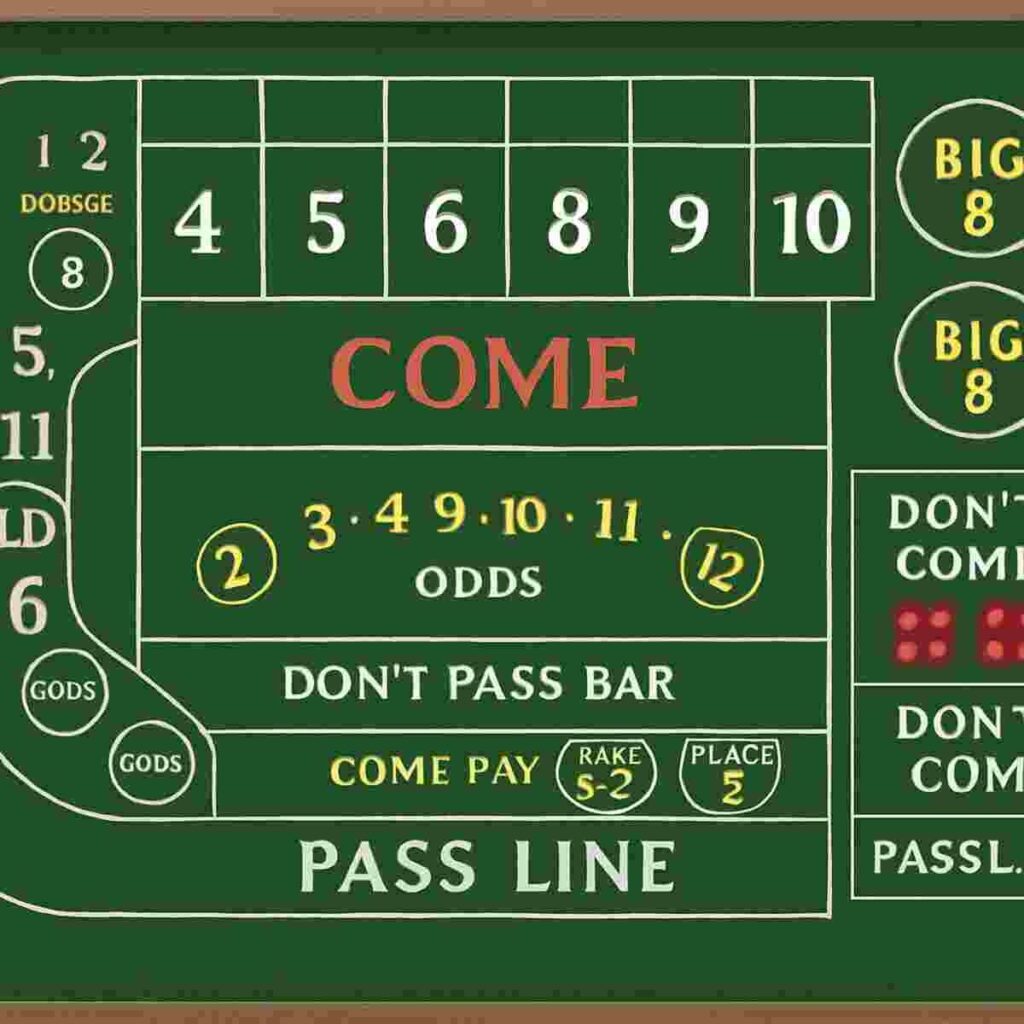
Understanding the Craps Table
The craps table can look complex with its various betting areas, but don’t let that deter you. Familiarize yourself with the table layout and betting options. This knowledge will help you make informed decisions during the game and increase your enjoyment.
Basic Craps Strategy
While craps is largely a game of chance, certain strategies can improve your odds. Start by understanding the most common bets, such as the Pass Line and the Don’t Pass Line. These bets have favorable odds and are a great starting point for beginners.
- How to Play: Start with a ‘come-out roll’. If you roll a 7 or 11, you win. If you roll 2, 3, or 12, you lose. If you roll any other number (4, 5, 6, 8, 9, 10), that number becomes your ‘point’. Keep rolling the dice until you roll the ‘point’ number again to win, or a 7 to lose.
Advanced Craps Techniques
Once you’re comfortable with the basics, explore more advanced techniques like hedge betting or laying odds. These strategies involve more complex betting patterns and require a deeper understanding of the game’s mechanics. As you gain experience, you’ll discover which strategies work best for you.
Yahtzee
Yahtzee is a classic family game that combines luck and strategy.
- Objective: Score the highest points by rolling combinations such as three of a kind, four of a kind, full house, and the famous Yahtzee (five of a kind).
The Yahtzee Scorecard
The key to success in Yahtzee lies in understanding the scorecard. Familiarize yourself with the different scoring categories and their point values. Knowing which combinations to aim for can guide your strategy and maximize your score.
- How to Play: Roll five dice. After each roll, you can choose to set aside any dice you want to keep and re-roll the others. Aim for specific combinations that give you points. You have three rolls per turn to achieve the best combination possible.
Strategic Decision-Making
Yahtzee requires careful decision-making and risk assessment. After each roll, evaluate your options and decide whether to keep your current dice or re-roll for a better combination. This strategic element adds depth to the game and keeps players engaged.
Variations of Yahtzee
While the classic version of Yahtzee is beloved by many, there are numerous variations that introduce new rules and challenges. Experiment with different versions to keep the game fresh and exciting. Each variation offers a unique twist on the traditional gameplay.
Farkle
Farkle is a risk-taking game that keeps everyone on their toes.
- Objective: Be the first to reach a predetermined score, usually 10,000 points.
Farkle Scoring System
Understanding the scoring system in Farkle is crucial to making informed decisions. Familiarize yourself with the point values of different dice combinations and how they contribute to your overall score. This knowledge will guide your strategy and help you avoid unnecessary risks.
- How to Play: Roll six dice. After each roll, set aside scoring dice and re-roll the rest. If your roll results in no scoring dice, it’s a “Farkle”, and you lose your points for that turn. Decide whether to stop and keep your points or risk them by continuing to roll.
Risk vs. Reward
Farkle is all about balancing risk and reward. Each turn presents the choice of banking your points or risking them for a potentially higher score. This element of risk-taking adds excitement and suspense to the game, making each turn a thrilling experience.
Farkle Variations
Just like Yahtzee, Farkle has several variations that introduce different rules and objectives. Exploring these variations can add variety to your game nights and challenge your strategic thinking in new ways.
Essential Dice Game Rules
To keep things fair and fun, here are a few general rules to follow:
- Keep Score: Use a notepad or a scoring app to keep track of everyone’s score.
Accurate Scorekeeping
Accurate scorekeeping is essential for maintaining the integrity of the game. Ensure that scores are recorded promptly and correctly after each round. This practice prevents disputes and ensures a fair and enjoyable gaming experience for everyone.
- Play Fair: Ensure everyone gets equal turns and follows the rules.
Encouraging Fair Play
Promoting fair play is crucial to creating a positive gaming environment. Encourage all players to follow the rules and take their turns in order. Address any discrepancies or rule violations calmly and fairly to maintain the spirit of the game.
- Respect Others: Everyone’s here to have fun, so keep the game light-hearted and enjoyable.
Creating a Positive Atmosphere
A positive atmosphere enhances the enjoyment of dice games. Encourage laughter, camaraderie, and friendly competition. Remember that the goal is to have fun and create lasting memories with friends and family.
- Decide on House Rules: Sometimes, adding a few personalized rules can make the game more interesting.
Customizing Your Game
Personalizing your dice games with house rules can add a unique twist and make the experience more enjoyable. Discuss and agree on any additional rules before the game begins, ensuring that everyone is on the same page. House rules can add an element of surprise and creativity to your game nights.
Tips for Winning at Dice Games
While dice games involve luck, a few strategies can increase your chances of winning:
Know the Odds: Understanding the probability of different dice rolls can help you make better decisions.
Calculating Probabilities
Familiarize yourself with the probabilities of different dice outcomes to improve your strategic decision-making. Knowing the likelihood of rolling specific numbers or combinations can guide your choices and increase your chances of success.
Practice Makes Perfect: The more you play, the better you’ll get at predicting outcomes and strategizing.
Developing Intuition
With practice, you’ll develop an intuition for dice games that will enhance your gameplay. Over time, you’ll become more adept at predicting outcomes and making strategic decisions based on past experiences and observations.
Stay Calm and Focused: Don’t let a bad roll ruin your game. Stay positive and keep your head in the game.
Maintaining Composure
Remaining calm and composed is essential for effective decision-making. Avoid letting emotions cloud your judgment, especially after a disappointing roll. A positive mindset and focus on the bigger picture will help you stay in control and enjoy the game.
Wrapping Up: Let the Good Times Roll
Dice games are a great way to bring people together, whether it’s family, friends, or even new acquaintances. They’re easy to set up, fun to play, and can be as simple or as complex as you like. So grab some dice, gather your friends, and let the good times roll!
Creating Lasting Memories
The true value of dice games lies in the memories they create. Whether it’s laughter over a surprising roll or the thrill of a close game, these moments are cherished long after the game ends. Embrace the joy of playing and the connections you build with others.
Exploring New Games
Once you’ve mastered the basics, explore new dice games to expand your repertoire. Each game offers unique challenges and experiences, keeping your game nights fresh and exciting. Share your discoveries with friends and introduce them to the diverse world of dice games.
Embracing the Fun
Remember, the key to enjoying dice games is not just about winning but about the shared laughter and memories you’ll create. Happy rolling!